Asylum seekers in the UK who are deemed destitute and without other viable accommodation options are provided with accommodation and financial support by the Home Office while their asylum claims are being processed.
Types of accommodation
- Initial Accommodation: This is typically short-term housing, often in hotels, hostels, or similar facilities. It’s provided to individuals urgently needing accommodation before their Section 95 support applications are processed, or while awaiting transfer to longer-term accommodation.
- Dispersal Accommodation: Longer-term, temporary housing, often in shared houses or self-contained flats, managed by accommodation providers on behalf of the Home Office. Asylum seekers usually stay in dispersal accommodation until a final decision is made on their asylum claim.
- Contingency Accommodation: Due to factors like increased asylum applications and housing shortages, the Home Office has increasingly relied on hotels and other facilities like former military sites and vessels to house asylum seekers, according to the Migration Observatory and a House of Lords Library briefing.
With the landmark case in Epping where the High Court has ruled that asylum seekers housed at the Bell Hotel must leave by 12 September, planning lawyers say it could reshape how migrant accommodation is managed across the UK.
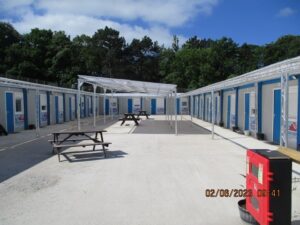
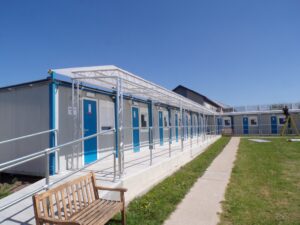
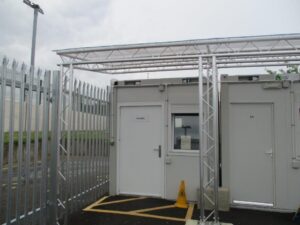
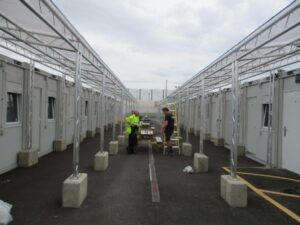
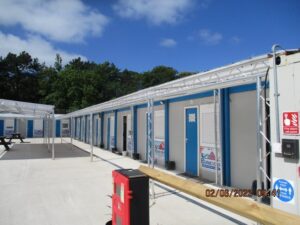
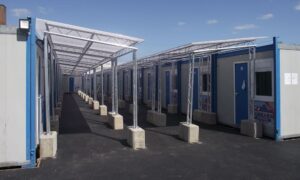
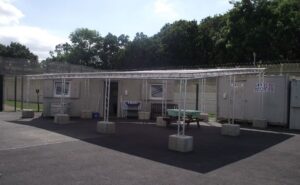
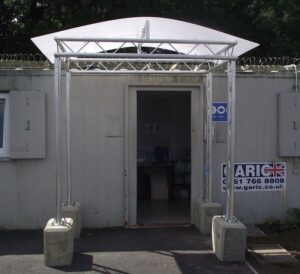
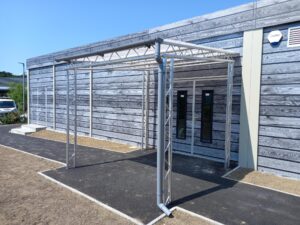
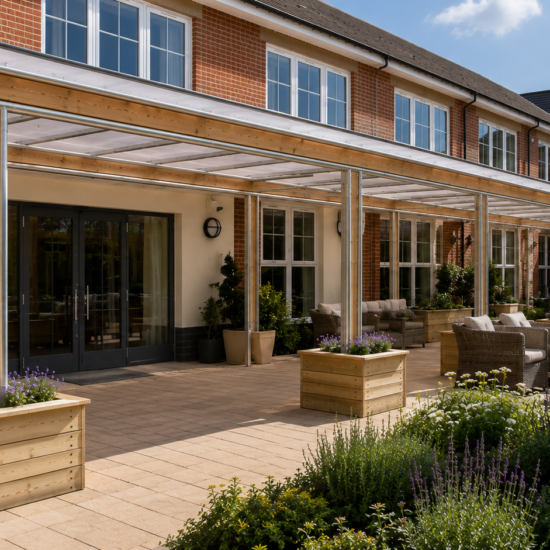
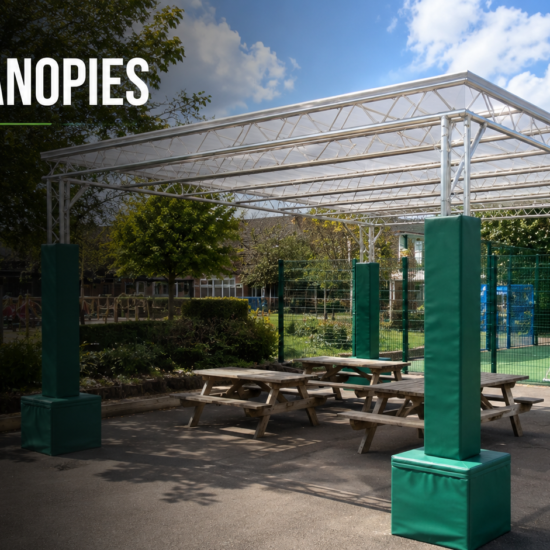
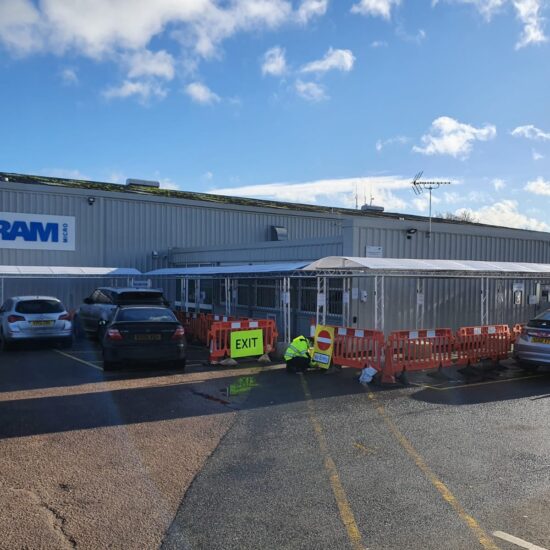
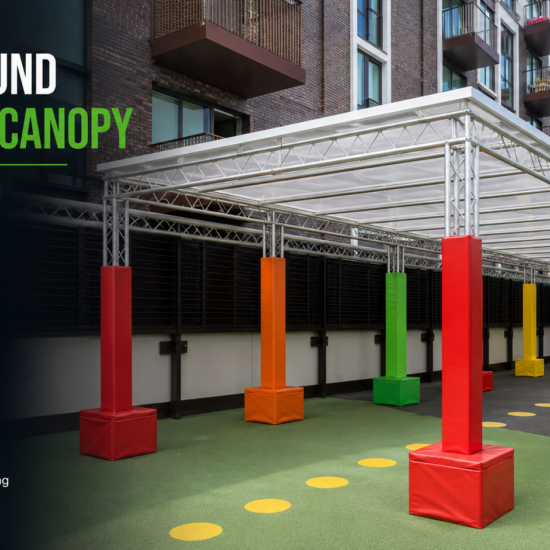
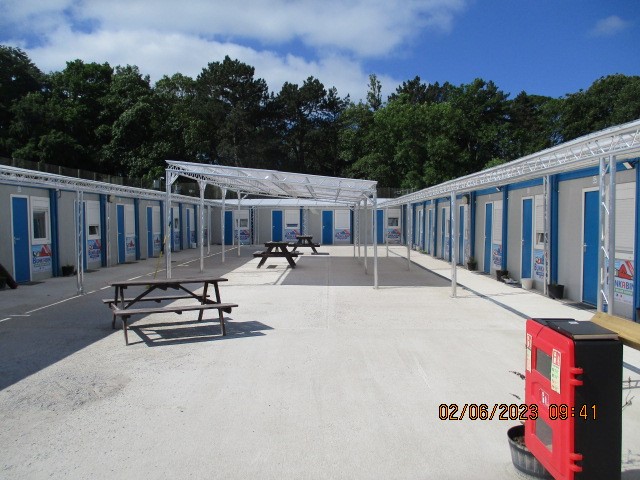
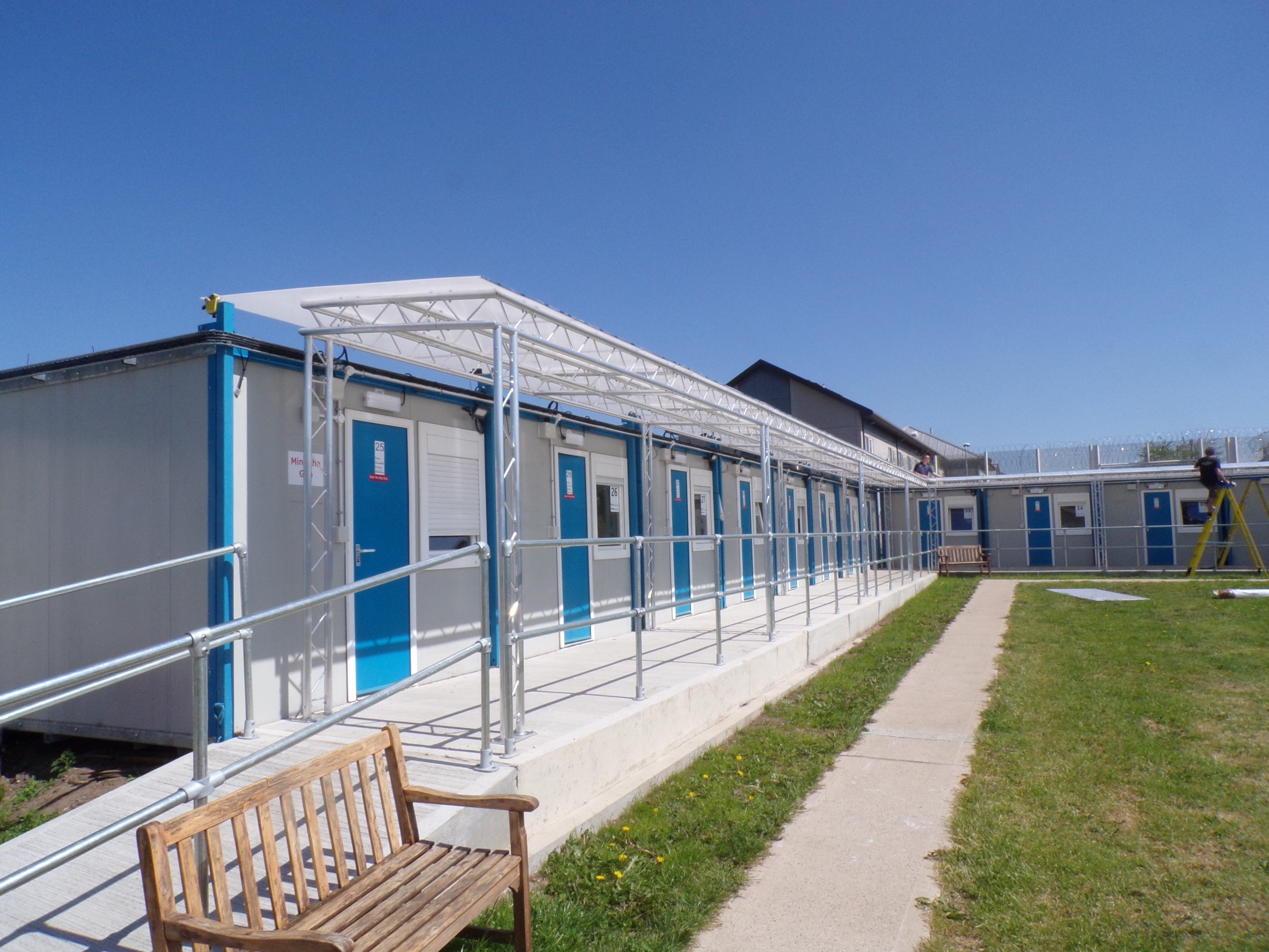
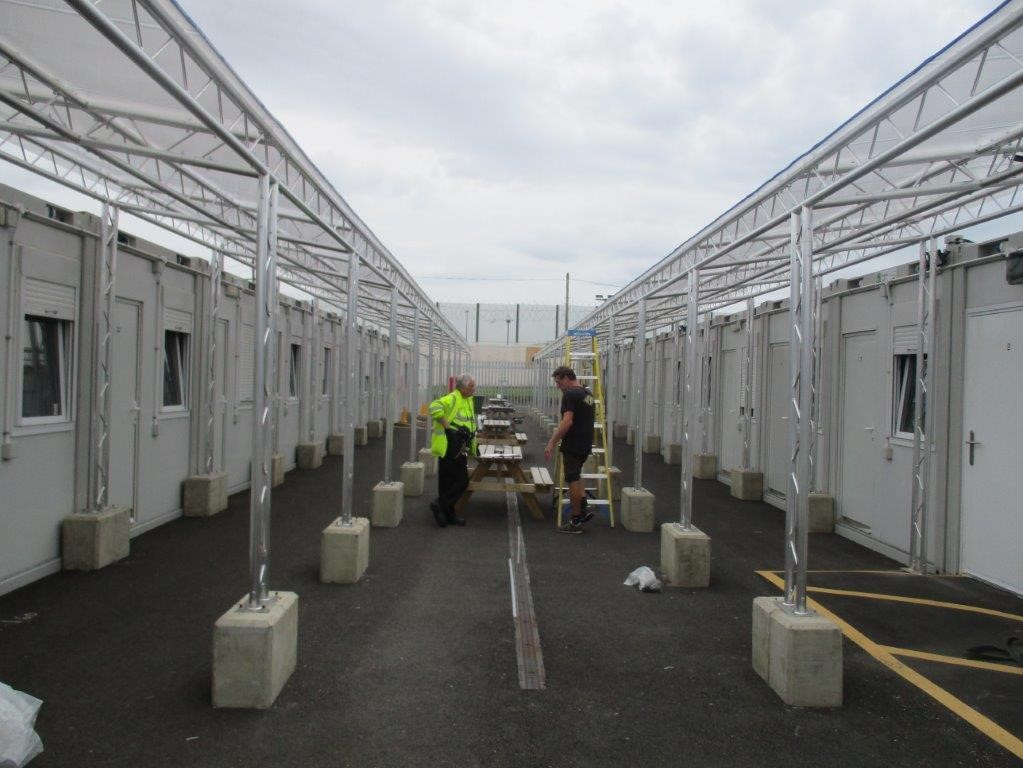
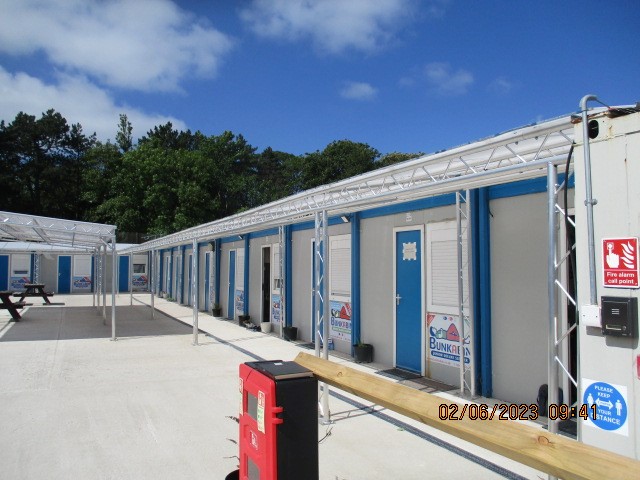
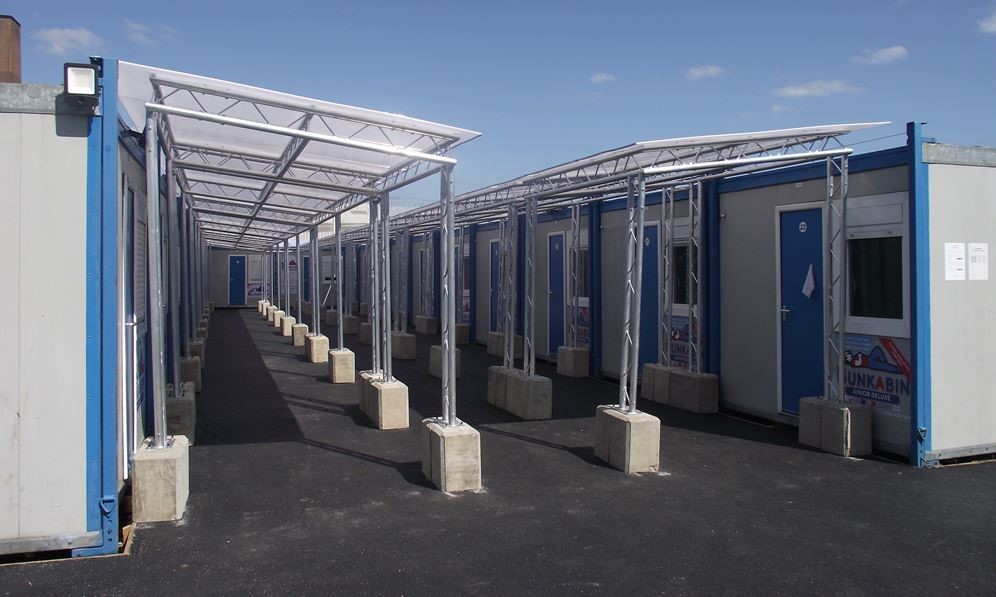
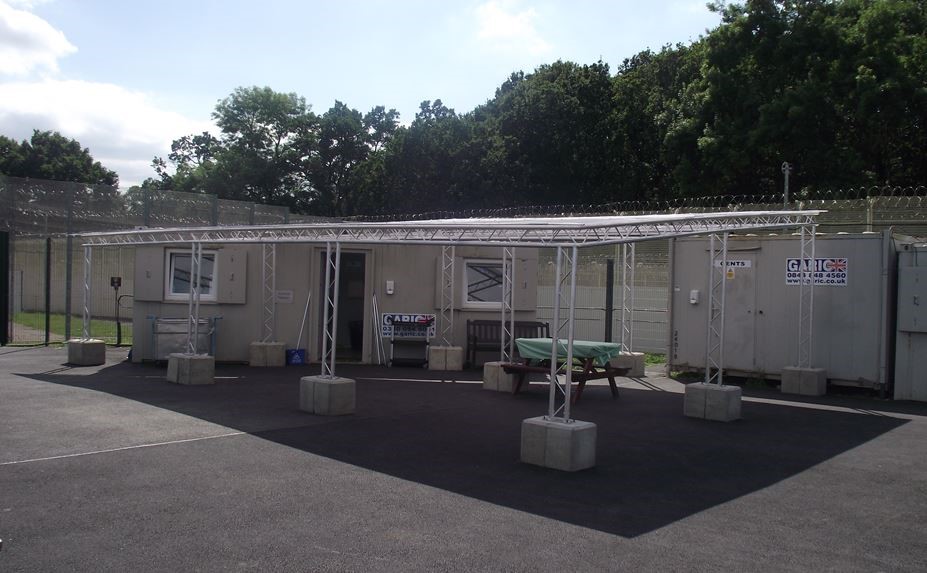
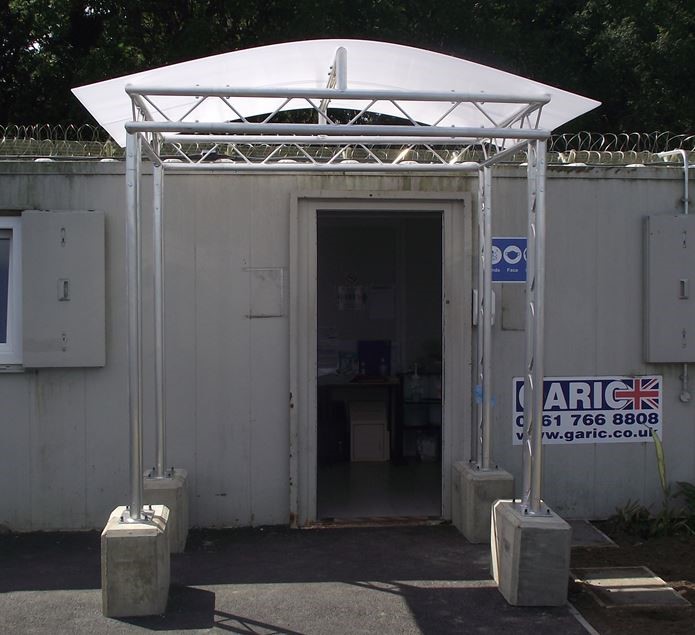
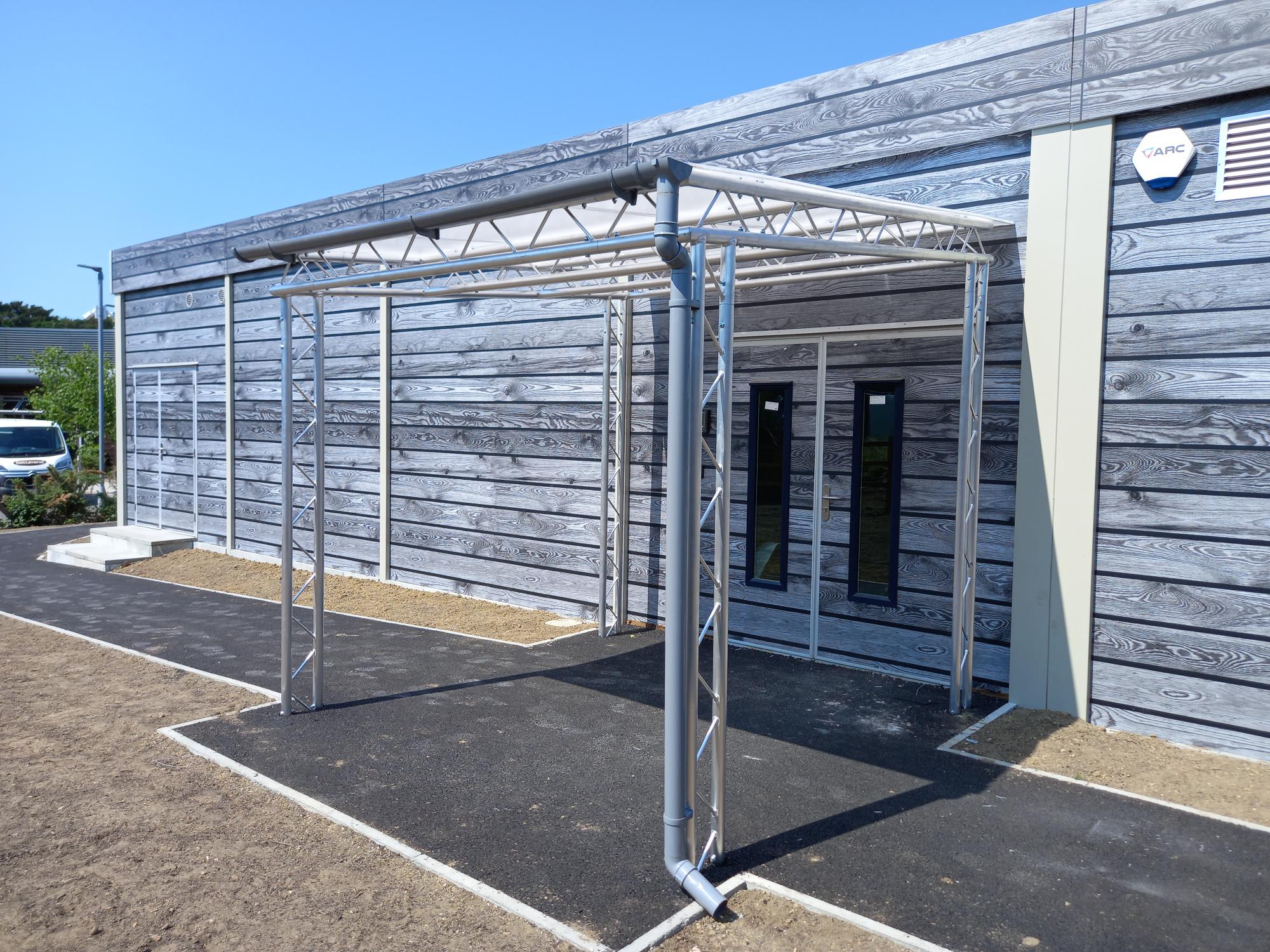
Protect has a range of canopy and awning shelter products which can be deployed rapidly should the Home Office decide to develop sites consisting of multiple accommodation units that require connecting. Much in the same way as Protect works with the prison service HMPPS, Protect has a range of Rapid Deployment canopies, covered walkways and shelters to connect buildings, protect asylum seekers and their visitors when moving from building to building.