For most children, the first few weeks of the new academic year bring a familiar mix of excitement and nerves. However, September isn’t always easy for every pupil; for a growing number of children, this is a genuinely hard month. New teachers, changed friendship groups, a rearranged timetable, unfamiliar corridors, and, for some, the ongoing weight of anxiety, sensory sensitivity or neurodivergence can turn the first half-term into a genuine struggle.
School leaders and pastoral teams know this better than anyone. In fact, most SENDCOs, mental health leads and Year 7 tutors will already be planning how to support their “anxious returners” long before the new term begins. Nevertheless, one part of the picture often gets overlooked: the physical environment itself, specifically, whether pupils have somewhere calm, sheltered and predictable to go when the classroom or the playground becomes too much.
This is where thoughtfully designed school outdoor shelters, positioned with pastoral intent, can make a quiet but real difference.

Why the Physical Space Matters
Pastoral care is, of course, primarily about people. However, the space in which that care happens shapes what’s possible. A pupil who’s overwhelmed doesn’t always need a full intervention; sometimes they need five minutes of quiet, fresh air and a sense of being somewhere that feels safe.
The evidence around outdoor time and wellbeing is well established. Being outdoors has been consistently linked to improvements in mood, focus and emotional regulation. Moreover, gentle exposure to natural light, fresh air and open sightlines helps pupils self-regulate in a way that four indoor walls sometimes can’t. A growing number of schools are now actively creating designated calm zones outside the classroom, not just inside it.
What makes it a problem is that in the British climate, “outside” often means “unusable”. A drizzle, a strong wind or the low September sun can quickly close down an open area that would otherwise be perfect. Therefore, if a calm outdoor zone is going to be genuinely reliable, it needs to be sheltered.
What a Calm, Sheltered Zone Actually Needs
A well-designed calm zone for anxious pupils isn’t just a bench under a roof. To work in practice, it needs to offer several things at once.
- Weather protection – the space must be usable in rain, strong sun and cool wind, not just on dry days. Otherwise, pupils will stop trusting it as a place they can rely on.
- A sense of enclosure without isolation – pupils need to feel held by the space, but staff need to be able to see them clearly for safeguarding.
- Predictability – for pupils with anxiety or sensory needs, the value of a calm zone comes largely from knowing it will always be there and always feel the same.
- Sensory softness – reduced glare, reduced noise reflection and shaded, diffuse light all help pupils regulate more quickly.
- Distance from busy zones – ideally set slightly away from the main playground bustle, but still on-site and easy to reach.
- A welcoming, non-clinical feel – a calm zone should feel like a considered part of the school, not a “punishment corner” or a leftover space.
These zones aren’t only for pupils with a diagnosis. Many pupils benefit from a low-stimulation outdoor space simply because September is a lot, and having somewhere calm to go can prevent smaller wobbles from becoming bigger ones.
Where Schools Currently Fall Short
At present, most schools address this need in one of three ways: an indoor sensory or nurture room, a pop-up gazebo in a corner of the playground, or nothing at all.
Indoor nurture rooms are valuable, but they can feel intense for pupils who specifically need to be out of the building. Pop-up gazebos, meanwhile, tend to fail quickly. They blow over in autumn winds, leak in prolonged rain, and are usually taken down for events, which undermines the predictability pupils need. As a result, many schools quietly give up on the idea of a permanent outdoor calm zone.
They will know it will help, which is a shame because a properly engineered outdoor shelter solves all three shortcomings at once.
How Protect Canopies Supports Schools in Creating Calm Zones
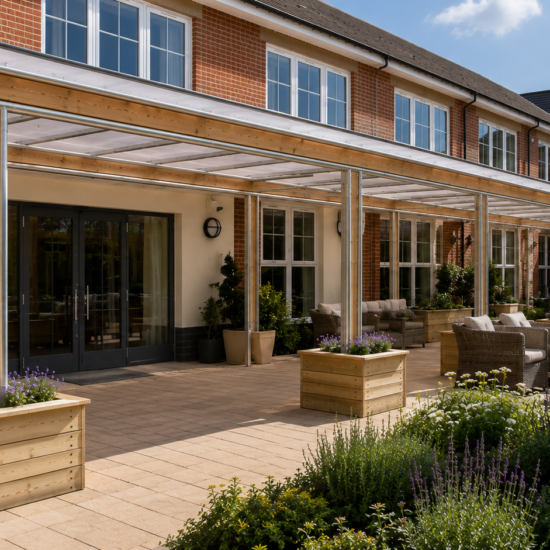
At Protect Canopies, we work with schools to design and install permanent, weather-ready outdoor spaces that can serve as calm zones, quiet reading corners, sensory areas or sheltered nurture spaces. Our canopies are engineered specifically for school environments where disruption, safeguarding and speed all matter.
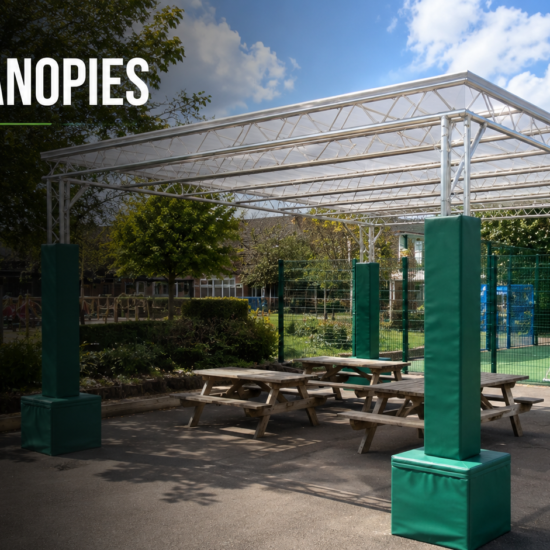
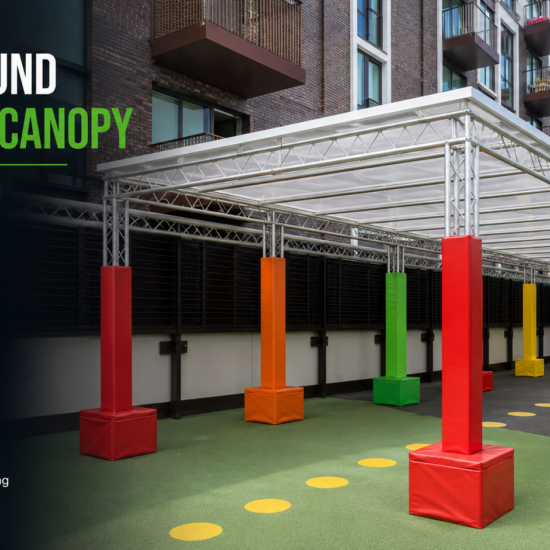
Our canopies don’t require any groundworks or foundations. Instead, our uniquely designed protected blocks act as ballast, providing a surface-mounted foundation suitable for almost any school setting. And because there’s no groundworks, installation is genuinely fast. Our team installs your canopy in just a few hours, with no plant required and minimal disruption to the site.
Every canopy in our range also includes an opal Sunlite™ roof, which is particularly well suited to calm zones because it diffuses light and reduces glare while providing full UV and rain protection. Moreover, our robust aluminium framework can be powder-coated in your school’s colours, and shelters can be branded or signposted clearly, which helps pupils recognise the space as an intentional, welcoming part of the school rather than an afterthought.
Design and Placement Considerations
Beyond the structure itself, a few placement details make a genuine difference for anxious pupils.
- Sightlines to staff. Position the canopy where duty staff can maintain gentle supervision without hovering.
- Away from PE and ball-game zones. The point is calm, so protect it from stray footballs and shouting.
- Consistent access. Ensure pupils know the zone is available in all weathers, including at wet play. In fact, it often matters most then.
- Simple furniture. Fixed benches, a soft-surface floor and perhaps some planting help the space feel settled rather than empty.
- Clear signage. A small sign confirming the space’s purpose gives pupils permission to use it and staff a shared reference point.
Bespoke design is also worth considering. Our in-house design team and structural engineers can produce tailored canopies to fit awkward corners, wrap around existing buildings or connect to modular classrooms for a truly calm zone.

Related blogs:
Playground Shelters for Schools: Wet Play, Sun Cover and All-Weather Use
How Schools Can Adapt to Future Outdoor Learning
Outdoor Canopies: The Back-to-School Essential You Didn’t Know You Needed
Creating Outdoor Spaces this Autumn/Winter with Canopies in School Settings
A properly designed outdoor calm zone quietly supports pupils by giving them a reliable place to breathe, reset, and rejoin the day on their own terms. If your school is thinking about how to better support anxious returners this September, contact Protect Canopies today.