The landscape of asylum accommodation in the UK has shifted again following the landmark case in Epping this August. The High Court initially ruled that asylum seekers housed at the Bell Hotel must leave by 12 September 2025, after local residents and council lawyers argued the hotel’s use breached planning regulations.
The decision sent shockwaves through the sector, raising urgent questions about how the Home Office can continue to accommodate thousands of asylum seekers when hotel contracts are already being scaled back.
However, the case didn’t end there. Appeals are ongoing, and the Home Office is determined to maintain control of the timeline for hotel closures. This legal back-and-forth highlights the uncertainty surrounding the government’s reliance on hotels for contingency accommodation.
Key takeaways this week:
- The Epping ruling illustrates how local authorities can challenge hotel use through planning law.
- Legal disputes may accelerate the Home Office’s drive to shift away from hotels.
- Around 200 hotels remain in use nationally, but numbers are falling compared to 2023’s peak of 400.
Where Protect Canopies Fits In
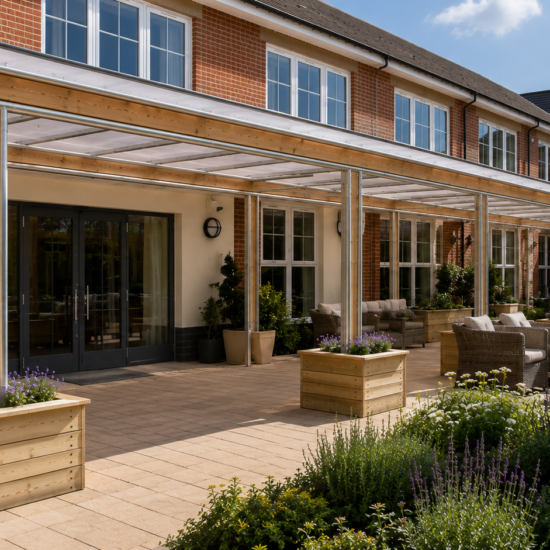
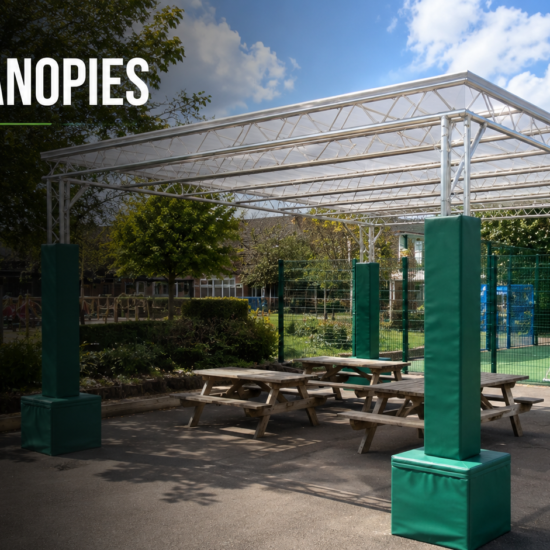
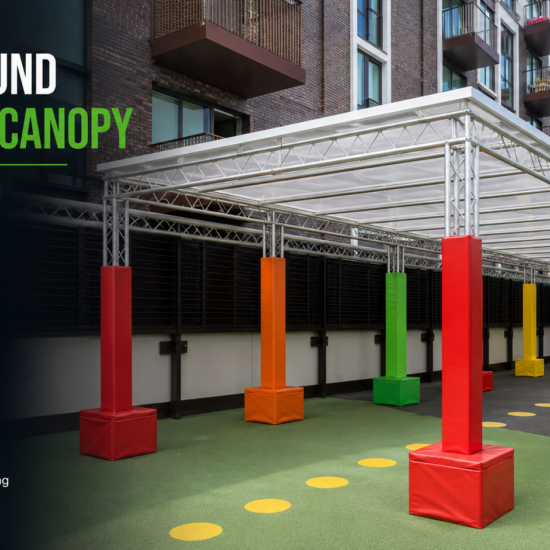
As new accommodation sites are developed – whether using modular cabins, repurposed buildings or larger purpose-built facilities – the infrastructure between units becomes vital. Protect Canopies provides:
- Covered walkways linking modular blocks and brick buildings.
- Queue and reception shelters to protect arrivals during check-in or security processes.
- Outdoor welfare canopies for dining or recreation.
Our systems are freestanding, rapidly deployed and require no groundworks, meaning sites can be operational quickly while maintaining dignity and safety for residents.