School canopy snow care comes down to four steps: regular inspection during snowfall, safe snow clearance with the right tools, keeping the ground below gritted and slip-free, and unblocking gutters so meltwater drains away. A canopy engineered to BS 6399: Part 2 wind and snow loading is built for British winter conditions, but routine winter maintenance keeps it performing as designed and pupils safe underneath.
The UK has seen less snow in recent winters, but heavy snowfall is always on the cards. Our school canopies are designed to provide safe, sheltered outdoor spaces throughout the year. With snowy weather, however, proper care and maintenance are essential to ensure the canopy stays safe, functional and long-lasting. Heavy snow can place strain on any canopy, so it is important to monitor conditions closely and act when required.
Schools need to be prepared for this type of weather. Understanding how to care for your canopy during winter helps prevent disruption, protects pupils and staff and reduces the risk of damage or injury. We strongly encourage schools to remain alert during periods of snow and severe weather to make sure the canopies and shelters are safe and secure.
The guide below explains how to care for your school canopy in snow and icy conditions.

Are School Canopies Designed for Snow?
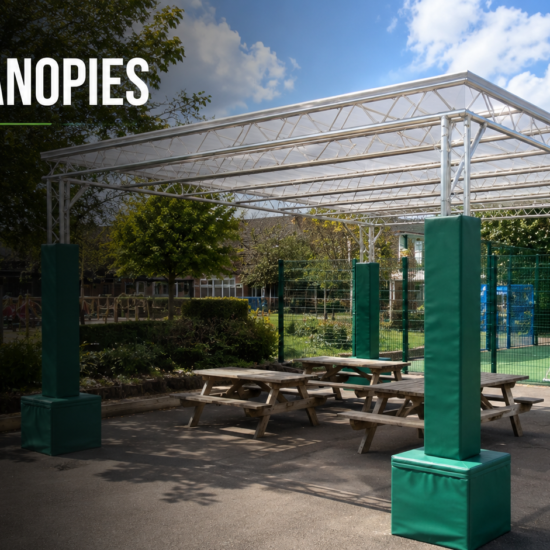
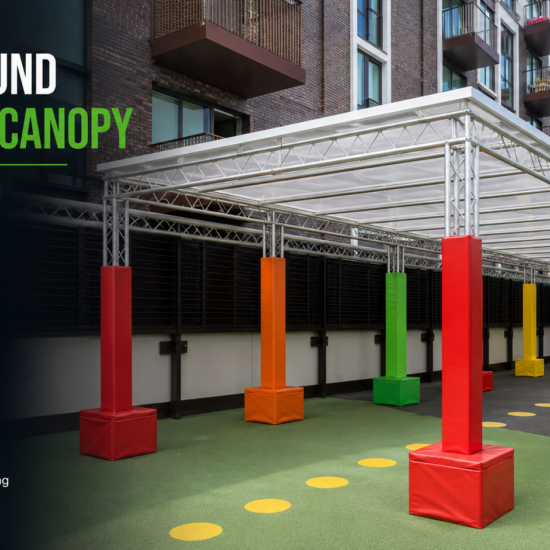
Yes. Our school canopies are engineered to withstand the UK’s varied weather conditions, including snow loading. Each design is certified by independent structural engineers and conforms to BS 6399: Part 2, the recognised UK standard for wind and snow loading on structures.
That structural confidence still relies on routine maintenance. Heavy snowfall can cause excess build-up if drainage is blocked, drift patterns are uneven or fixings have not been checked, so understanding your canopy’s design specifications and keeping it inspected through winter is essential.
Regular Inspections During Winter
Build a brief visual inspection into your school’s winter routine. After every significant snowfall or freeze, check the canopy and the area beneath it. Look for:
- Snow accumulation on the roof, especially uneven build-up in valleys, against parapet walls or where wind has driven drifts.
- Blocked gutters and drainage points, which can quickly create ice dams and water back-up.
- Loose fixings or visible damage to bolts, posts, frames or roof panels.
- Signs of sagging or strain, particularly across longer spans.

Managing Snow on the Canopy
Snow on a canopy will normally slide off naturally as temperatures rise. If a build-up persists or is becoming uneven, speak to a professional before clearing it. Using incorrect tools or applying too much pressure can damage the canopy and affect its structural performance.
If snow clearance is needed, follow this safe-handling routine:
- Gently push snow off the canopy roof with a soft, long-handled broom.
- Avoid hard, sharp or metal tools that could pierce or scratch the roof.
- Use appropriate access equipment and follow safe working-at-height practices.
- Cordon off the area underneath and ensure no one is standing below while snow is being cleared.
- Work in calm conditions, never during active snowfall, high winds or low visibility.
Keep the Area Below the Canopy Safe
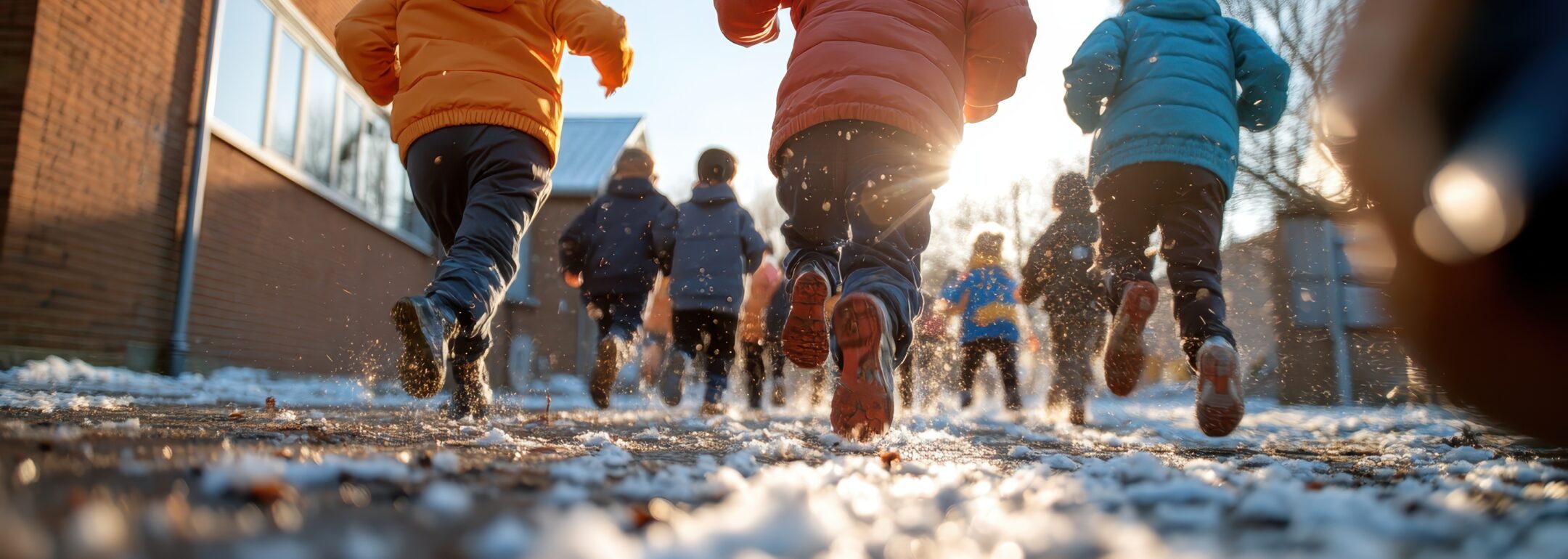
Snow and ice make the ground underfoot slippery, increasing slip and fall risk for pupils and staff. The environment below the canopy needs as much attention as the structure itself.
- Grit or treat the surface underneath the canopy and around it before pupils arrive.
- Restrict access to the canopy temporarily if conditions become unsafe.
- Communicate any changes to outdoor use clearly to staff, pupils and parents.
Clear Drains and Gutters Regularly
A simple but crucial step in winter canopy maintenance is keeping drains and gutters clear. Leaves, twigs and other debris block water flow and trap meltwater on or near the canopy, increasing the risk of ice formation and water damage. A quick autumn clean-out and a follow-up inspection before the first hard freeze of the year are well worth the time.
Long-Term Snow-Season Maintenance
Caring for your canopy through winter extends its lifespan and reduces the likelihood of costly repairs. A short routine each year keeps the structure ready for use:
- Routine in-house visual checks before, during and after snowy weather.
- An annual professional inspection from your supplier.
- Open communication between the school’s facilities team and Protect Canopies whenever something looks off.
Because our canopies use surface-mounted ballast rather than excavated foundations, any repairs or component replacements can be installed quickly, typically within 10 working days of order, so the sheltered space is back in use fast.

Frequently Asked Questions
How much snow can a school canopy hold?
Protect Canopies are engineered to BS 6399: Part 2 snow loading requirements, which set the structural design loads for UK weather conditions. The exact snow load tolerance depends on the canopy’s specification, location and altitude, so check the structural calculations supplied with your canopy or contact us if you are unsure.
Should I remove snow from the school canopy?
Snow normally slides off as temperatures rise and rarely needs active removal. If a heavy or uneven build-up persists, or if you have any doubts about the load, speak to your supplier before clearing. Never attempt to clear snow during active snowfall or in high winds.
What is the safest way to remove snow from a canopy?
Use a soft, long-handled broom to gently push snow off from a safe access platform. Avoid hard, sharp or metal tools, cordon off the area below and never stand under the canopy while snow is being cleared. If in doubt, ask Protect Canopies to attend.
Will heavy snow damage a school canopy?
A canopy engineered and installed to BS 6399: Part 2 is designed to perform under the snow loadings expected at your location. Damage typically occurs only where drainage is blocked, fixings have loosened or snow has built up unevenly because of nearby buildings or wind drift, all of which routine winter inspection catches early.
What about ice on the ground beneath the canopy?
Always grit the surface under and around the canopy before pupils arrive, especially where meltwater can refreeze. If conditions are genuinely unsafe, restrict access to the canopy temporarily and communicate the change to staff and parents.
Get Expert Support for Your School Canopy This Winter
School canopies play a vital role in providing exciting, sheltered outdoor learning and play areas throughout the year. With proper winter care, your school canopy continues to be a safe, accessible outdoor space, and your investment is protected for years to come.
Our outdoor canopies support pupils of all ages and staff by providing focused, usable outdoor spaces, especially in winter. If you would like a winter inspection, advice on snow management or a new school canopy installed, contact us today.
Related blogs:
- SEND School Canopies: Sensory and Outdoor Learning Spaces for SEND Settings
-
- What to Do with Your School Canopy Before, During & After a Storm
- Why Outdoor Canopies Still Support Learning in the Winter
- Outdoor Canopies: The Back-to-School Essential You Didn’t Know You Needed
- Enhancing Schools’ Outdoor Spaces for Children to Connect With Nature
- Why Schools and Sports Facilities Need Outdoor Canopies for All-Weather Play
- Creating Outdoor Spaces this Autumn/Winter with Canopies in School Settings