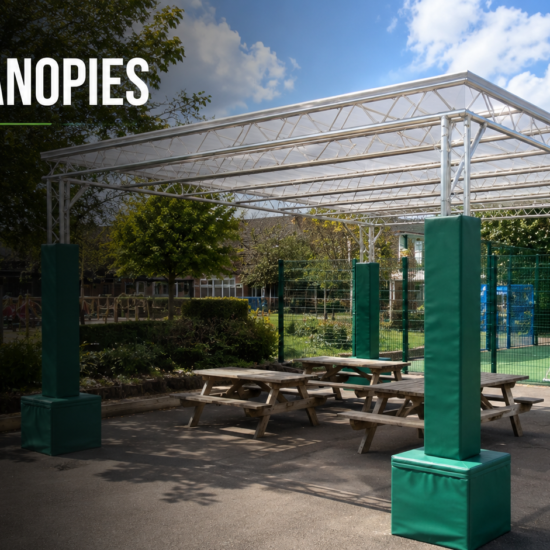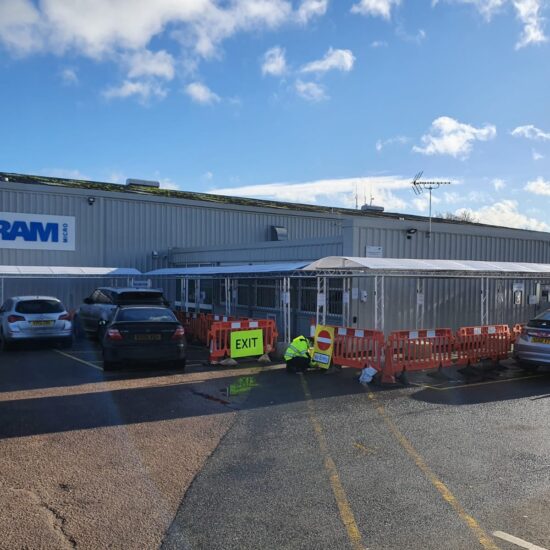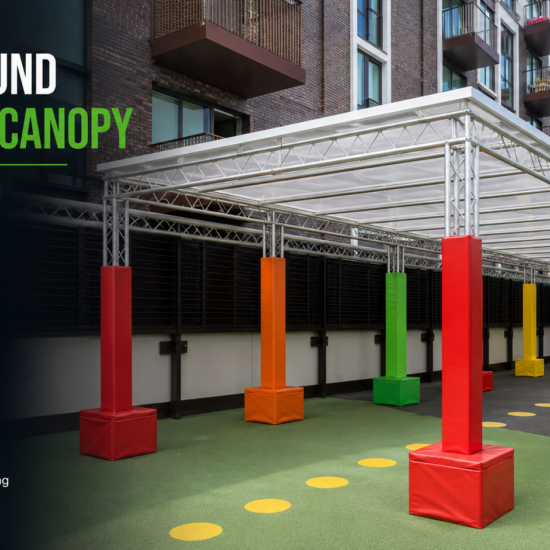
School canopy storm safety means three things: a thorough pre-storm inspection of fixings, gutters and surrounds; closing the area and avoiding clearance work during the storm itself; and a careful post-storm check before pupils use it again. Following this routine keeps your canopy structurally sound, your insurer comfortable and your pupils safe under whatever the British weather sends.
A storm can bring a combination of strong winds, heavy rain, snow and icy conditions. For schools, this creates additional risks for outdoor areas, particularly canopies and shelters used daily by pupils and staff.
While outdoor canopies are designed to withstand challenging weather, sensible maintenance keeps them safe through severe conditions. At Protect Canopies, we help schools across the UK build and care for fun outdoor learning spaces under robust canopy solutions. The checklist below sets out what schools should do before, during and after a storm.

Understanding the Weather Risks of a Storm
UK storms, whether named by the Met Office or not, typically bring a combination of:
- Strong and gusty winds
- Heavy and persistent rainfall
- Snowfall, particularly at higher altitudes and in northern regions
- Ice formation on surrounding ground surfaces
- Increased risk of wind-blown debris
Each of these affects a canopy differently, so the checks below cover all four. The good news: a well-engineered canopy installed to BS 6399: Part 2 wind and snow loading requirements is built for these conditions. Routine checks confirm everything is working as designed before the weather hits.
What to Do Before a Storm
Carry out a visual safety check of the canopy and the area around it as soon as a storm warning is issued. The checklist:
- Canopy fixings, posts and support frames: look for any visible movement, corrosion or damaged bolts.
- Roof panels and fabric: check for signs of wear, sagging or hairline damage.
- Gutters and drainage: clear leaves and debris so heavy rain or melted snow can drain away freely.
- Surrounding ground: note any uneven or wet patches that could become slip or trip hazards.
- Loose items nearby: remove or secure outdoor furniture, equipment and any loose materials that could become wind-blown debris.
If snow or ice is forecast, apply gritting materials to the surfaces under and around the canopy in advance. That way, any meltwater that runs off the canopy does not refreeze into a hazard at pupil height.
What to Do During a Storm
- Close the canopy area to pupils and staff while severe winds, rain, snow or ice are active.
- Do not attempt snow removal during the storm. High winds and ongoing snowfall create additional hazards for anyone working at height or under the structure.
- Monitor conditions from a safe distance rather than from beneath the canopy. If you can see a part of the structure flexing or hear unusual noise, withdraw and contact your supplier.
What to Do After a Storm
Wait until the weather has eased and conditions are safe underfoot, then inspect the canopy structure. Check for:
- Loose fixings or any movement that was not present before the storm
- Damage to roof panels, gutters or framework
- Snow build-up on the roof, particularly drifts in valleys or against parapet walls
- Blocked gutters or drainage points
- Debris caught between the canopy and any adjacent building
Use appropriate equipment to clear snow safely, keep the area below the canopy clear of falling material, and grit surfaces beneath to manage slip risks from ice or melted snow. If you find any damage you are unsure about, do not reopen the area until a qualified inspection is complete. Protect Canopies can provide expert advice and post-storm support to help confirm your structure is safe to use again.
How Protect Canopies Supports Schools in Severe Weather
Our outdoor canopy solutions are structurally calculated for British weather. Each design is certified by independent structural engineers and conforms to BS 6399: Part 2 for wind and snow loading. The system uses surface-mounted ballast blocks rather than excavated foundations, which has two important benefits when severe weather is involved:
- The structural performance is independently certified, so a properly inspected canopy will perform as engineered, not as hoped.
- Repairs and replacements can be carried out fast, with no groundworks needed and most installations completed within 10 working days of order.
If your school’s canopy needs an inspection, repair or replacement after storm damage, our team can advise on the next steps and arrange a site visit.

Frequently Asked Questions
Are school canopies safe in a storm?
A school canopy designed and installed to BS 6399: Part 2 wind and snow loading requirements is engineered to perform in UK storm conditions. Safety in any individual storm depends on the canopy being maintained, the gutters being clear and the surrounding area being free of loose debris. The checklist on this page covers the routine that keeps the structure performing as designed.
Should we close the canopy area during a storm?
Yes. The canopy itself may be sound, but flying debris, falling branches, slip risks underfoot and the difficulty of supervising children outdoors all rise during a storm. Closing the canopy until conditions ease is the simplest and safest decision.
Can we clear snow from a school canopy ourselves?
Snow can usually be cleared after the storm has passed, but only when the surface and surrounding ground are safe and only with appropriate equipment. Avoid working at height in active wind or precipitation. If snow has built up unevenly or you are unsure whether the load is within the canopy’s design tolerance, contact your supplier before clearing.
How often should a school canopy be inspected?
A formal annual inspection is a sensible baseline, alongside a quick visual check before any forecast storm and after any severe weather event. Gutters should be checked seasonally, particularly in autumn when leaf fall is heaviest.
What should we do if the canopy is damaged in a storm?
Close the area to pupils and staff, take photographs of the damage from a safe distance and contact Protect Canopies. Because our system uses surface-mounted ballast rather than excavated foundations, repairs and replacement components can typically be installed within 10 working days of order, restoring the sheltered space fast.
Get Expert Support for Your School Canopy
Storms highlight the importance of preparing your outdoor area for all types of winter weather. With the right precautions and professional support, your school canopy continues to be a valuable sheltered space for learning, play and wellbeing.
We are proud to help schools protect their outdoor environments with robust, structurally certified canopies. Contact us today for an inspection, repair or new installation.
Related blogs:
- SEND School Canopies: Sensory and Outdoor Learning Spaces for SEND Settings
-
- The RAAC Crisis & UK School Rebuilding: How Canopies Are Supporting the Transition to Safer Schools
- Caring for Your School Canopy in Snowy Weather
- Why Outdoor Canopies Still Support Learning in the Winter
- How School Canopies Can Create Outdoor Spaces In All Weathers
- Caring for your Canopy & Cleaning those Gutters