Construction sites are often equipped with canopies to protect the workers and keep them safe from the elements. This could include shielding walkways, safeguarding scaffolding zones, or creating covered work areas. Building site canopies can become an integral part of site planning, but it depends on whether you require a temporary or permanent canopy solution.
Each option comes with its own set of advantages and usage considerations, so this blog provides more information on temporary and permanent canopies to help you determine the best solution for your building site.

What Are Temporary Canopies?
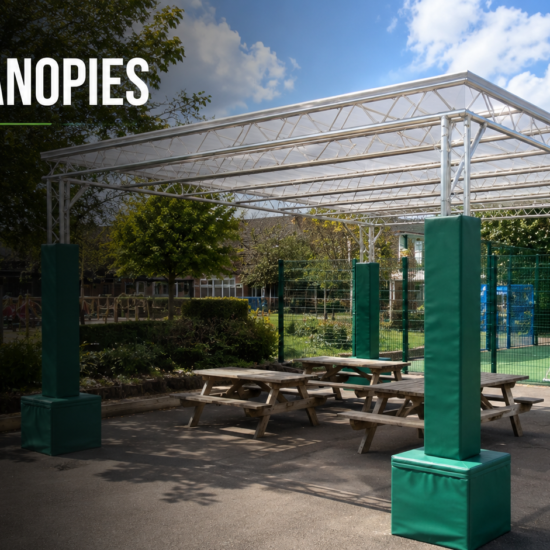
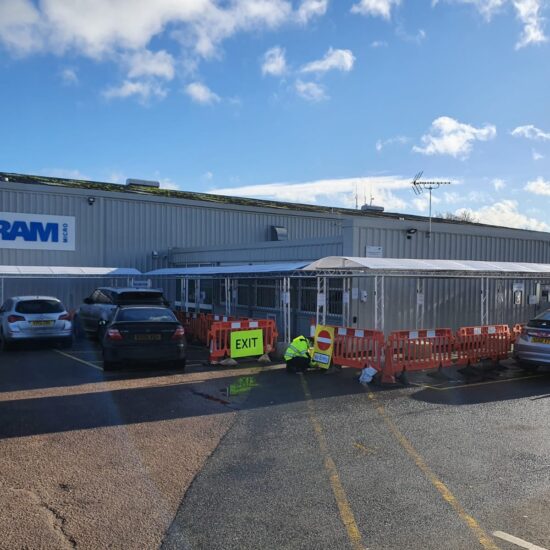
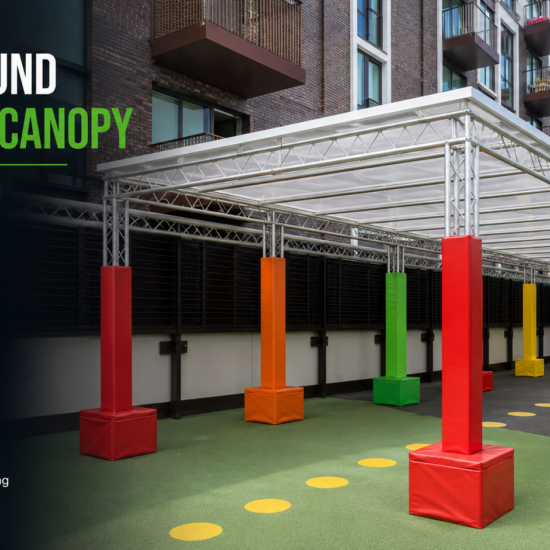
Temporary canopies are easy to install and are designed for short-term use. They are often made from lightweight materials such as aluminium, steel, and industrial-grade PVC or canvas.
Key Benefits:
- Perfect for a speedy installation. The canopy is set up in a matter of hours, making it ideal for sites where conditions or layouts change frequently.
- A more cost-effective solution for shorter projects and temporary sites.
- Temporary systems are modular, meaning they can be extended, relocated or reconfigured when needed.
- The canopy is easily dismantled when the project ends.
Use a temporary canopy in the following situations:
- Projects with a 12-18 month duration
- Sites with frequent layout changes
- Short-term public protection
- Events or pop-ups
- Sites with restricted space or planning limitations
What Are Permanent Canopies?
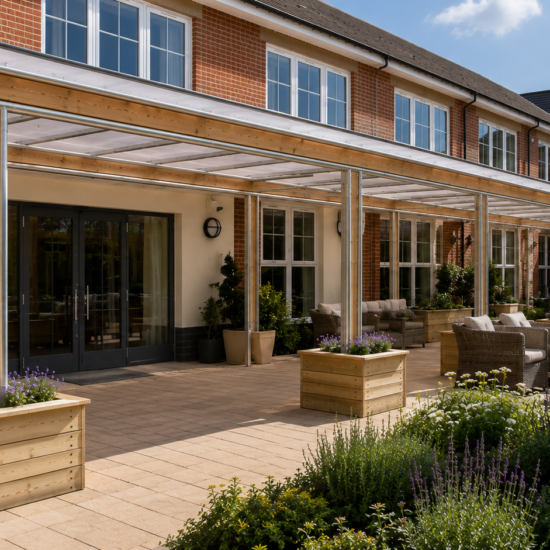
To put it simply, permanent canopies are built to last, typically made from robust steel or aluminium frameworks with architectural-grade roofing materials. Permanent canopies are designed to stay in place for many years.
Key Benefits:
- Permanent canopies are engineered to withstand extreme weather conditions. They’re a long-term investment, built to last.
- They are designed to integrate with the existing architecture and offer a more polished, permanent look.
- Built to meet stringent building regulations.
- In some cases, permanent canopies can enhance the property’s value.
Use a permanent canopy in the following situations:
- Building sites that require year-round weatherproof cover
- Projects requiring architectural continuity
- Large-scale developments with public access points
- Long-term and ongoing building programmes
- Locations where a canopy becomes a fixture
Hybrid Solution?
A hybrid solution may be just what you’re looking for, using a temporary canopy during construction and then a permanent structure towards the end of the project. This may include a permanent covered walkway as part of the finished landscape.

Realistically, the decision is based on the project timeline, budget, regulatory environment, and the functional role the canopy plays on-site. Temporary canopies offer adaptability and speed, while permanent solutions provide long-term durability and integration. Both types of canopies serve essential roles in protecting workers, the public, and the construction process itself.
Related blogs:
Why Canopies are Essential on Today’s Construction Sites
A Guide to Making the Right Choice – Finding the Perfect Canopy
Caring for your Canopy & Cleaning those Gutters
What is the Purpose of a Covered Walkway?
What are the Types of Walkways
At Protect Canopies, we specialise in providing both temporary and permanent canopy solutions tailored to your project’s specific requirements. Contact us today to discuss your site’s needs and discover the best canopy solution for your next build.