UPDATE — 13 March 2026: The Court of Appeal has refused Epping Forest District Council permission to appeal the High Court’s November 2025 dismissal of its bid for a final injunction against the use of the Bell Hotel for asylum accommodation. With the Supreme Court having previously refused permission to appeal the earlier interim ruling, this is the end of the court process. The Bell Hotel can continue to be used as asylum accommodation, and policy attention turns fully to the national hotel-to-modular transition. The original September 2025 article follows below, with a detailed timeline at the foot of the page.
Epping Forest District Council has lodged a Supreme Court appeal over the Bell Hotel asylum accommodation ruling, naming Somani Hotels Ltd and the Secretary of State for the Home Department as respondents. The case has become a focal point in the wider debate over local planning powers, hotel use for asylum accommodation and the national shift toward modular sites.
The legal saga over the Bell Hotel in Epping continued to dominate headlines this week, as Epping Forest District Council lodged an appeal to the Supreme Court against the Court of Appeal’s decision that allowed continued use of the hotel for asylum accommodation.
Key Developments (September 2025)
- The council’s Supreme Court application names both the hotel owners (Somani Hotels Ltd) and the Secretary of State for the Home Department as respondents.
- The move underscores the pressure local authorities are under to hold ground on planning and community concerns, even as national policy pushes toward ending hotel use.
- The Home Office has reaffirmed its commitment to phasing out hotels entirely, calling them an inefficient use of public funds.
- In the first three months of 2025, the number of asylum seekers in hotels dropped by nearly 6,000, a decline of around 15% since December.
- Policymakers are exploring prefabricated and modular housing on industrial sites as replacements for hotels.
Implications and Risks
- If the Supreme Court declines to hear the appeal, the Court of Appeal’s decision will stand, weakening legal arguments for local councils seeking hotel exclusions.
- A supportive ruling for councils could create a cascade of injunctions in other towns and accelerate the move out of hotels.
- The shift from hotels to modular and industrial-site solutions means new accommodation clusters will require infrastructure (walkways, connecting shelters, welfare zones) to operate smoothly.
Where Protect Canopies Adds Value
As sites transition away from hotels, infrastructure becomes mission-critical. Protect Canopies is built for precisely this scenario:
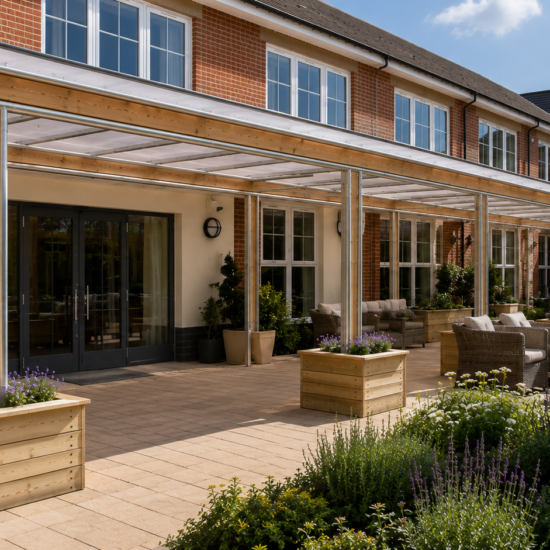
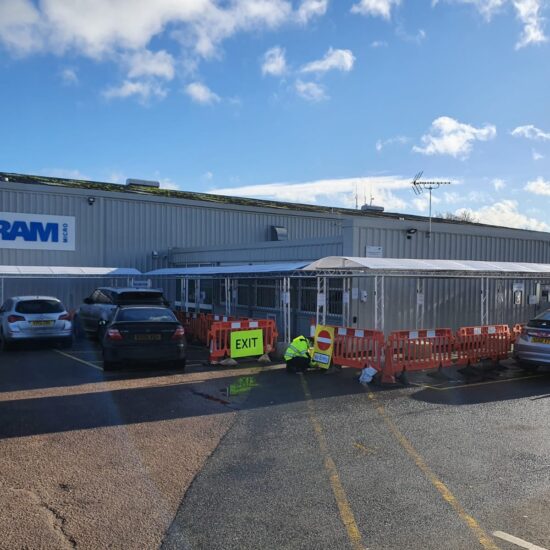
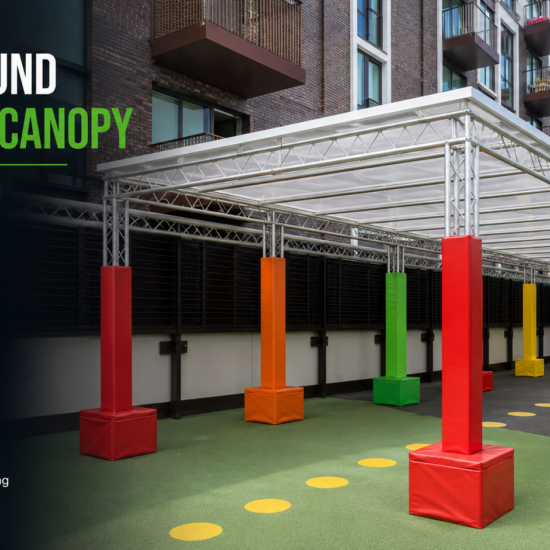
- Covered walkways linking modular units, welfare blocks and reception zones.
- Queue and reception shelters for arrivals and security checks.
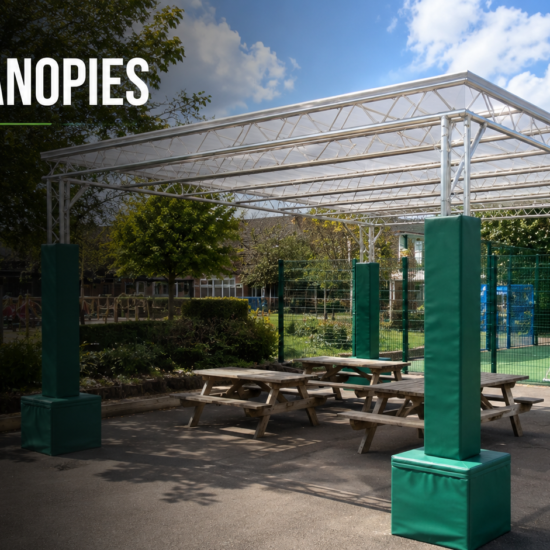
- Outdoor welfare canopies for dining, recreation and waiting areas.
- Integration detailing, including interfaces, flashings and side panels, to make modular sites functional in all weather.
Our canopies are freestanding, require no excavation and are independently certified to BS 6399: Part 2 wind and snow loading, allowing rapid deployment on sites where speed, connectivity and dignity all matter. Most installations are completed within 10 working days of order.
March 2026 Update: Court Process Concludes
The Bell Hotel litigation has now concluded across both the interim and final injunction tracks:
- August 2025: Epping Forest District Council was granted an interim injunction by Eyre J in the High Court.
- September 2025: The Court of Appeal overturned that interim injunction, finding errors of principle in the original decision.
- September 2025: The council formally applied for permission to appeal to the Supreme Court (the focus of this article when first published).
- Late 2025: The Supreme Court refused permission to appeal the September Court of Appeal ruling.
- November 2025: The High Court dismissed the council’s application for a final injunction against use of the Bell Hotel.
- 13 March 2026: The Court of Appeal refused permission to appeal the November 2025 High Court dismissal, ending the court process.
The Bell Hotel can continue to provide asylum accommodation. Local authority planning challenges of this kind have, on this occasion, been exhausted through the courts. The wider national policy direction is unchanged: phase out hotel use by 2029 and scale up modular and large-site alternatives. With this case resolved, the practical question for councils, contractors and the Home Office shifts back to delivering the next generation of accommodation sites at the pace the policy demands.
Frequently Asked Questions
Has the Bell Hotel court case ended?
Yes. As of 13 March 2026, the Court of Appeal has refused Epping Forest District Council permission to appeal the High Court’s November 2025 dismissal of its final injunction application. The Supreme Court had earlier refused permission to appeal the September 2025 interim ruling. This concludes the court process for the Bell Hotel case.
What is the Bell Hotel Supreme Court appeal about?
Epping Forest District Council asked the Supreme Court to review the Court of Appeal’s September 2025 decision that allowed continued use of the Bell Hotel in Epping for asylum accommodation. The Supreme Court refused permission to appeal that interim ruling, and a separate Court of Appeal decision in March 2026 closed the final injunction track.
Who are the respondents to the Supreme Court application?
The application named Somani Hotels Ltd, the hotel’s owners, and the Secretary of State for the Home Department.
What does this mean for the wider hotel-to-modular transition?
With the Bell Hotel court process concluded in favour of continued use, hotel-to-modular transitions are continuing at the national pace already set out by the Home Office. The 2029 phase-out target remains unchanged, and the Future Asylum Contracts Accommodation (FACA) procurement is the vehicle delivering the next generation of sites.
How does Protect Canopies support modular asylum site infrastructure?
Protect Canopies designs and installs covered walkways, queue shelters, welfare canopies and integration details for modular accommodation sites. Our system requires no groundworks and is typically installed within 10 working days of order, supporting phased rollout.
Related blogs: