The Home Office closed 11 asylum hotels in April 2026 in the first large-scale withdrawal from hotel accommodation, saving an estimated £65 million a year and accelerating the shift to modular sites, former military bases and large reception centres. For local authorities, prime contractors and infrastructure suppliers, the announcement marks the move from policy commitment to actual delivery.
On 15 April 2026, the government confirmed the closure of 11 asylum hotels as part of its plan to end hotel use entirely by 2029. Border Security and Asylum Minister Alex Norris said hotels were meant to be a short-term stop-gap under the previous government but had “spiralled out of control”, costing taxpayers billions and putting the consequences on local communities.
This is a meaningful milestone, but the bigger story is what comes next.
April 2026 Hotel Closures: The Key Facts
- 11 hotels closed in this round, with more closures stated to follow in the coming weeks.
- £65 million annual saving claimed from this round of closures.
- Overall asylum costs reported to be down nearly £1 billion since the current government took office.
- Roughly 30,000 people remain in asylum hotels at an estimated daily cost of £8 million.
- Hotel use is now around 45% below the peak figure.
Where Are Residents Being Moved To?
Residents leaving the closed hotels are being moved to a mix of accommodation types, all of which require functional site infrastructure to operate effectively:
- Crowborough military barracks, which has housed around 350 migrants since opening three months prior to the announcement.
- Other former military bases, including the longstanding RAF Wethersfield site in Essex (extended to April 2027).
- Modular and prefabricated buildings on industrial estates and former public-sector sites.
- Medium-sized sites of between 200 and 700 places, including empty tower blocks, teaching colleges and student accommodation.
- Houses in Multiple Occupation (HMOs) and family houses through the dispersal accommodation system.
What the Closures Mean for Site Infrastructure
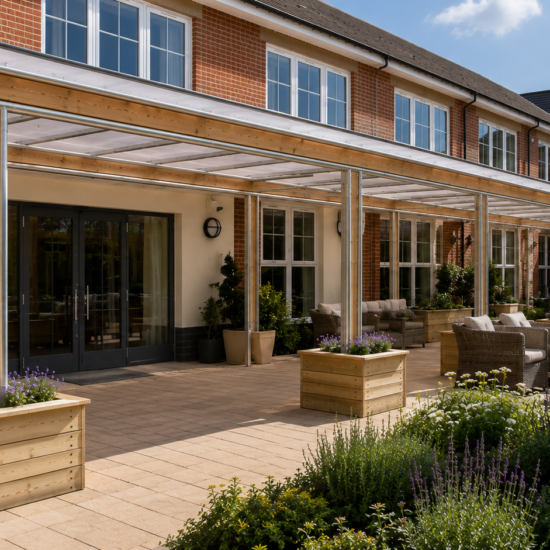
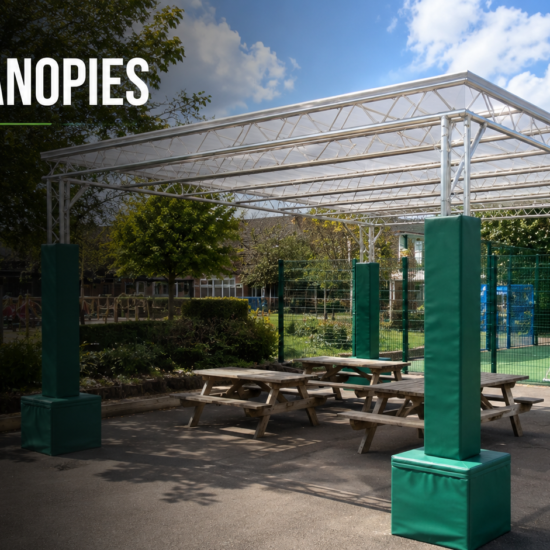
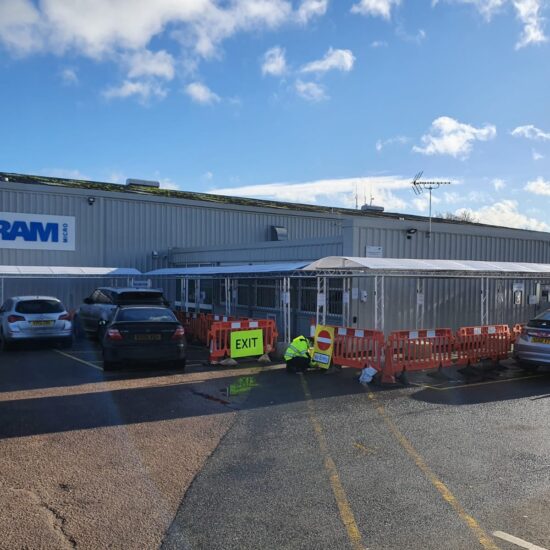
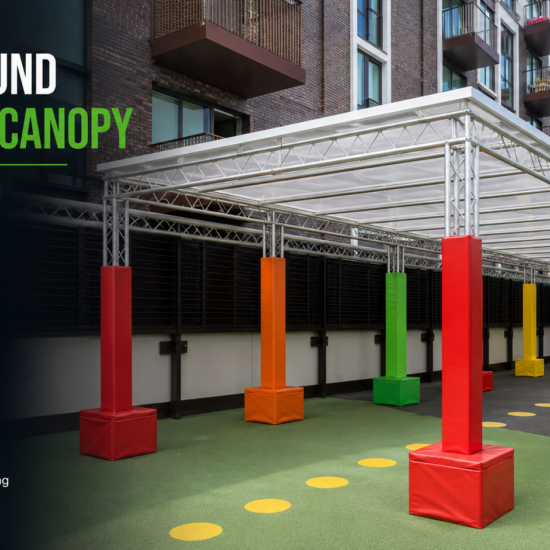
Each of these accommodation types depends on site infrastructure that hotels never required: covered walkways linking units, queue and reception shelters for arrivals and security, welfare cover for dining and recreation, and integration detailing where canopies meet modular buildings. Get the infrastructure right and a site is functional, dignified and easier to defend in planning. Get it wrong and the site becomes another National Audit Office cautionary tale.
The £15.4 million purchase of the former Northeye prison, abandoned without ever being used as asylum accommodation, is a reminder that site quality and delivery speed are not optional extras. They drive cost, planning consent and operational outcomes. As 11 hotel closures become 50 and beyond, the speed and quality demands on site infrastructure will only rise.
How the FACA Procurement Fits In
The Home Office’s Future Asylum Contracts Accommodation (FACA) programme is the procurement vehicle that will fund and contract the next generation of sites. With FACA’s Industry Day in the week of 13 April 2026 and the tender notice expected on 11 September 2026, the April hotel closures are part of a wider, deliberately phased move from the current contract regime to a new generation of suppliers and site models.
How Protect Canopies Supports the New Generation of Sites
Protect Canopies is built for exactly this delivery context:
- Surface-mounted ballast foundation: no groundworks, no curing time, deployable on most existing site surfaces.
- Independently certified to BS 6399: Part 2 for wind and snow loading.
- Most installations completed within 10 working days of order, with on-site installation usually a matter of hours.
- Trusted in sensitive operating environments, with a heritage of supplying the NHS and HMPPS.
- Designed to scale with phased rollouts, from initial reception infrastructure through to fully integrated welfare and circulation cover.
Frequently Asked Questions
How many UK asylum hotels closed in April 2026?
The Home Office confirmed the closure of 11 asylum hotels on 15 April 2026, with additional closures announced as imminent in the following weeks.
How much will the April 2026 closures save?
The government has stated annual savings of around £65 million from this round of closures, with overall asylum costs reported to be down nearly £1 billion since the current government took office.
Where are asylum seekers being moved from the closed hotels?
Residents are being relocated to a mix of former military bases (including Crowborough barracks and RAF Wethersfield), modular sites, medium-sized accommodation of 200 to 700 places, and dispersal housing including HMOs and family houses.
What is the 2029 target?
The government aims to end the use of asylum hotels entirely by 2029, replacing them with a combination of modular accommodation, former military bases, large sites and dispersal housing. The FACA procurement is the contractual vehicle delivering this transition.
How quickly can canopy infrastructure be installed on a new site?
Protect Canopies systems use surface-mounted ballast rather than excavated foundations. On-site installation typically takes a few hours, with most orders delivered within 10 working days.
Build the Next Generation of Sites with Protect Canopies
If your team is delivering modular accommodation, large-site reception infrastructure or covered welfare space for the new generation of asylum accommodation, talk to Protect Canopies. Our covered walkways, queue shelters and welfare canopies are designed to match the delivery speed and certification requirements of fast-paced rollouts. Contact us today.
Related blogs:
- FACA: What the £10bn UK Asylum Accommodation Tender Means for Site Infrastructure Suppliers
- Court Drama Endures, But Policy Momentum Builds Against Hotels
- Government Pushes Harder Against Hotels: Policy Signals Grow Louder
- Bell Hotel Epping: Court Process Concludes (March 2026)
- Legal Battles Continue as Hotel Closures Advance